Source Waterproof Silicone Scar Patch for Burns, Surgery, and Acne
Find 30 waterproof silicone scar patch options from Chinese manufacturers. Compare Class I medical devices featuring CE certification, OEM services, and customized sizes for effective scar management and skin repair; compare the available evidence and request quotations based on your requirements.
Key considerations
Products List
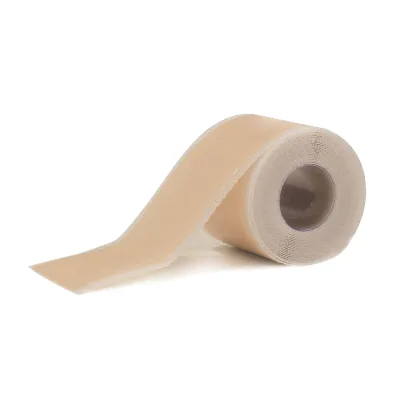
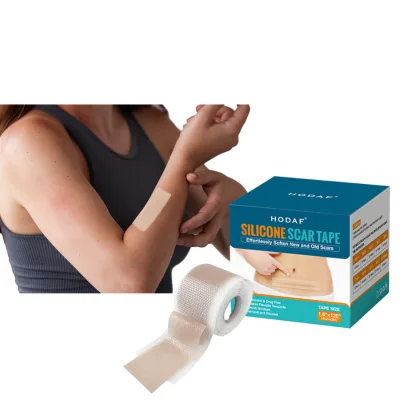
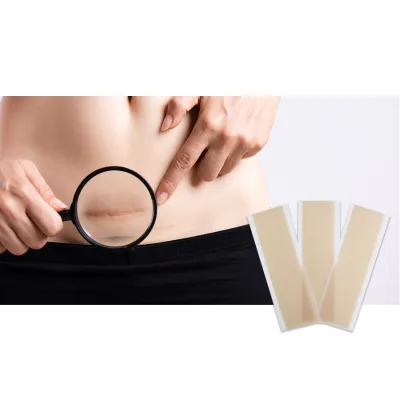
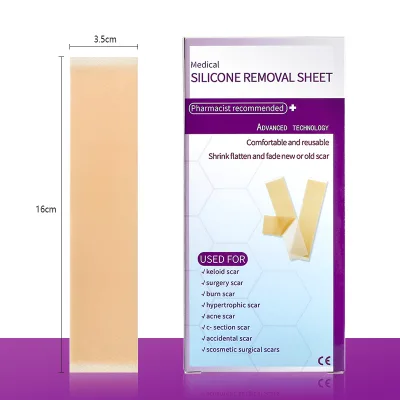
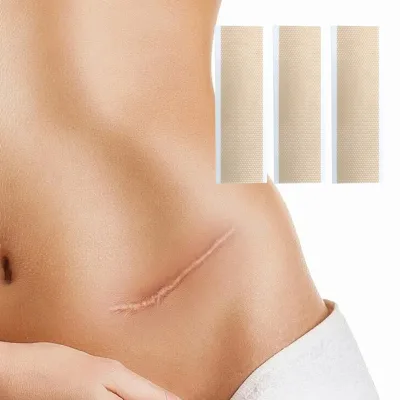
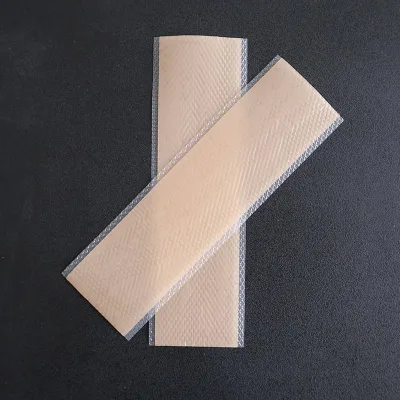
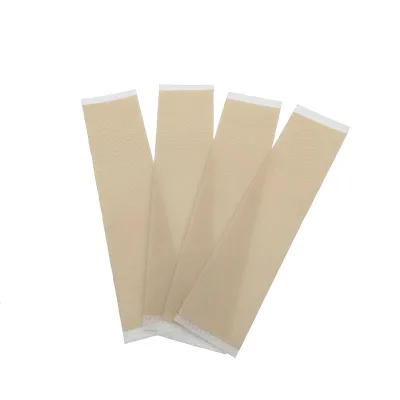
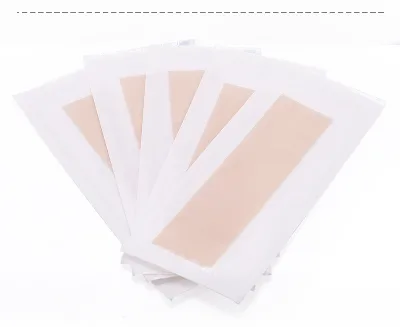
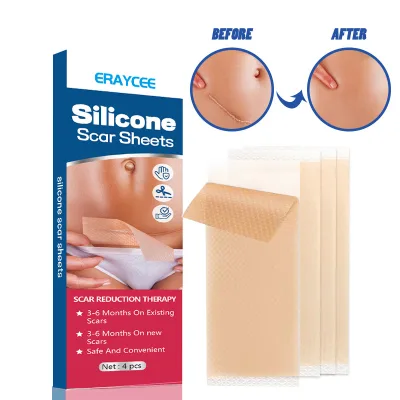
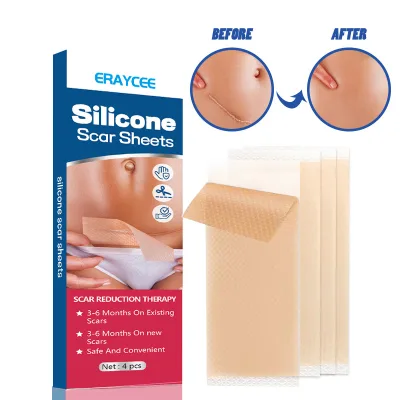
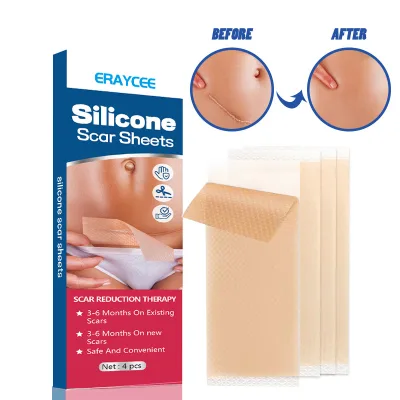
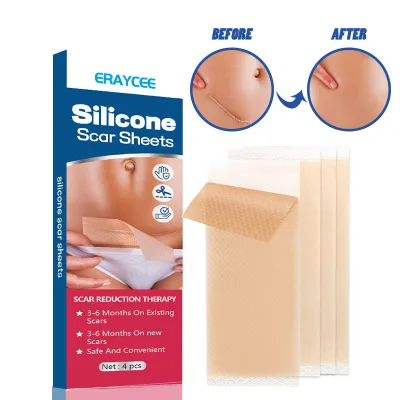


Comprehensive Sourcing Guide
Waterproof Silicone Scar Patch Sourcing Guide
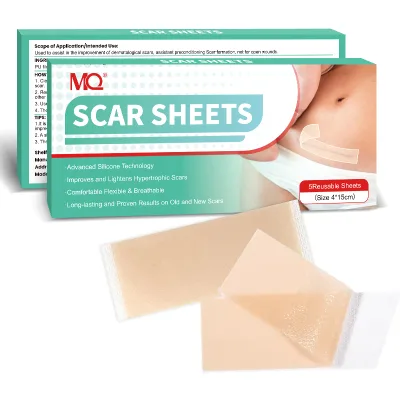
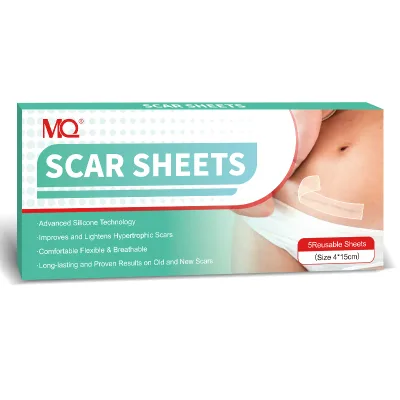
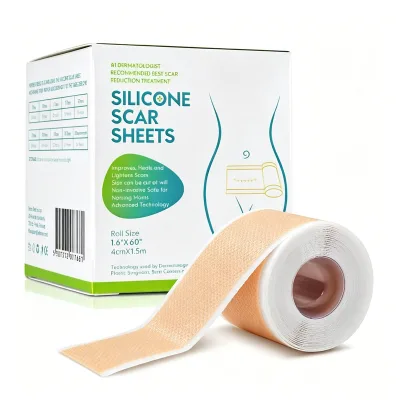
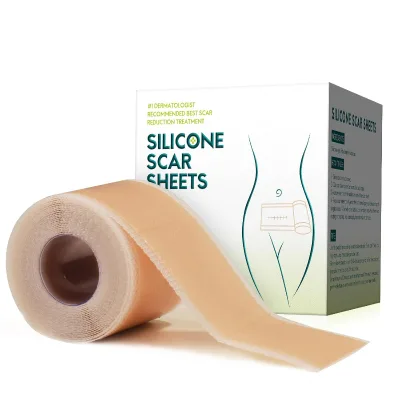
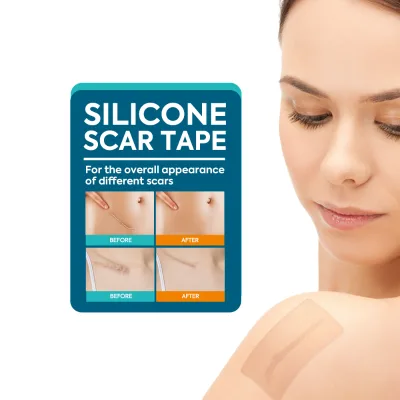
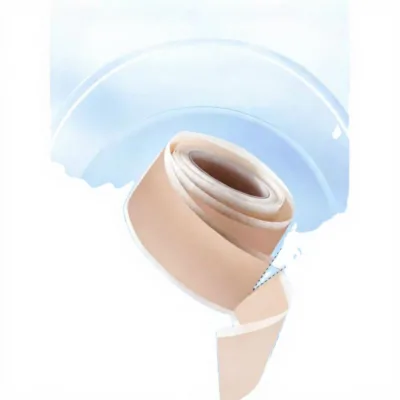
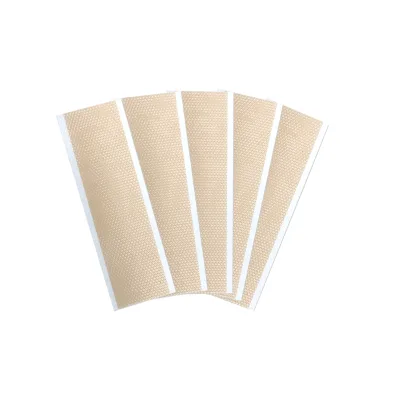
Procuring waterproof silicone scar patches requires distinguishing between sheet formats and roll-based tapes, as the supplied data indicates distinct product configurations ranging from pre-cut sheets to continuous rolls. Buyers must verify whether the specific listing offers a customized size or a fixed dimension like 4cm x 1.5m, since the application area dictates the necessary form factor for effective scar management. The observed product attributes confirm that these items function as rehabilitation therapy supplies designed to cover and repair scars, often utilizing a gel or pure silicone composition to ensure gentle contact with all skin conditions.
The commercial landscape for these items shows a wide variance in minimum order quantities, ranging from single units to thousands, which directly impacts the feasibility of initial sampling versus bulk procurement. While some listings indicate a stock availability of "Yes" with immediate dispatch, others may require lead times for custom branding or specific size modifications. Buyers should carefully evaluate the single package dimensions and gross weight, as these factors influence shipping costs and storage requirements, particularly when sourcing from multiple origins such as Hebei, Henan, or Tianjin within China.
Product Scope and Observed Listing Signals
The product scope encompasses various forms of silicone-based scar management tools, including sheets, tapes, and patches that utilize far-infrared disinfecting types or standard silicone gel properties. Listings explicitly mention features such as skin color matching and customized logos, indicating a market that caters to both clinical needs and private label branding opportunities. The observed data highlights that these products are classified as Class I instruments, suggesting they are low-risk medical devices intended for non-invasive scar treatment and rehabilitation therapy supplies.
Buyers must scrutinize the specific material composition, as some entries list "Silicone, Gel" while others specify "Main Ingredient: silicone" or "gel," which affects the texture and adhesion properties of the final product. The presence of "Far Infrared" as a disinfecting type in some listings introduces a specific functional claim that requires validation against the actual product capabilities. Additionally, the variation in shelf life, observed between two and three years, necessitates a clear understanding of inventory turnover rates to ensure product efficacy is maintained before application.
Technical Specifications to Verify
Verification of physical dimensions is critical, as the data presents conflicting size specifications ranging from small 6.5x6.5x8.0 cm packages to larger 4.5x15cm patches or 4cm x 1.5m rolls. Buyers must confirm the exact single package size and gross weight, which vary from 0.050 kg to 0.200 kg, to accurately calculate logistics costs and ensure the product fits the intended application area. The model numbers, such as HDOAF-S001 or SP15, serve as unique identifiers that should be cross-referenced with the specific size and material composition to avoid receiving mismatched inventory.
The functional attributes of the product, such as being "gentle to all skin condition" or offering "scar removal" benefits, must be validated against the actual material properties listed, including the presence of gel or pure silicone. Buyers should also verify the "Disinfecting Type" and "Safety standard" claims, noting that some listings cite "Other" as the safety standard, which requires further clarification on the specific testing protocols used. Ensuring the product form matches the requirement, whether it is a patch or a roll, is essential for achieving the desired therapeutic outcome in scar management.
Compliance and Safety Documentation
Compliance verification is paramount given that these products are classified as Class I medical instruments, requiring specific quality certifications to ensure market entry and consumer safety. The observed data lists CE certification and ISO standards as common quality certifications, alongside MSDS documentation, which buyers must request to confirm the chemical safety of the silicone and gel ingredients. It is essential to distinguish between products that explicitly state "CE" and those that list "MSDS CE" to ensure the documentation covers both regulatory compliance and material safety data.
Buyers should also investigate the "Safety standard" field, as some listings indicate "Other," which implies a need for additional verification of the specific national or international standards applied during manufacturing. The presence of OEM and ODM acceptance suggests that private label products may undergo different quality assurance processes than standard stock items, requiring a review of the supplier's quality control protocols. Ensuring that the product benefits, such as scar removal, are supported by the provided certifications is necessary to maintain regulatory compliance in the target market.
Cost Drivers and Commercial Terms
Cost structures for waterproof silicone scar patches are influenced by the complexity of customization, including logo acceptance, private labeling, and specific size modifications. The observed price range of 0.01 to 3 USD per unit suggests a highly competitive market where volume discounts and customization fees significantly impact the final landed cost. Buyers must account for the "Sample Provided" or "Free" sample policies, as these initial costs can affect the overall procurement budget and the decision to proceed with a larger order.
Commercial terms such as the minimum order quantity (MOQ), which ranges from 1 to 5000 units, play a crucial role in determining the financial viability of the purchase. The "Stock: Yes" attribute indicates that some suppliers can fulfill immediate orders, potentially reducing lead times and inventory holding costs, while others may require production runs for customized items. Additionally, the packing format, typically listed as "BOX," and the single gross weight must be considered when negotiating shipping terms to optimize the total cost of ownership.
Supplier Qualification and Quality Control
Supplier qualification should focus on verifying the place of origin, as the data indicates manufacturing locations in Hebei, Henan, and Tianjin, each potentially offering different production capabilities and quality control standards. Buyers must assess the supplier's ability to handle OEM and ODM requests, ensuring they have the infrastructure to produce customized logos and sizes while maintaining the integrity of the silicone material. The acceptance of "Customized Logo" and "OEM ODM" services suggests a flexible manufacturing environment, but this flexibility must be balanced with rigorous quality assurance measures.
Quality control processes should be validated through the requested certifications, such as CE and ISO, and by reviewing the specific test results for the "Far Infrared" disinfecting type if applicable. Buyers should request detailed information on the "Single gross weight" and "Single package size" consistency to ensure that the supplier maintains strict tolerances during production. The "Shelf Life" of two to three years also serves as a metric for product stability, requiring suppliers to demonstrate that their storage and packaging methods preserve the efficacy of the silicone gel over time.
Long-Term Procurement Checks
Long-term procurement success depends on establishing a reliable supply chain that can consistently meet the varying size and material requirements of waterproof silicone scar patches. Buyers should monitor the "Stock" availability and lead times to prevent disruptions in their inventory, especially when dealing with customized orders that may have longer production cycles. Regular audits of the supplier's quality certifications and safety standards are necessary to ensure ongoing compliance with evolving medical device regulations in the target markets.
Continuous evaluation of product performance is essential, particularly regarding the "gentle to all skin condition" claim and the actual efficacy in scar removal or repair. Buyers should maintain open communication channels with suppliers to address any changes in material composition or manufacturing processes that could affect the product's therapeutic properties. By tracking the "Model Number" and specific attributes over time, procurement teams can ensure that the products delivered continue to meet the clinical and commercial expectations established at the outset of the partnership.
FAQs
What certifications do waterproof silicone scar patches have?
These patches typically hold CE and ISO quality certifications to ensure safety and compliance. Some products also include MSDS documentation for chemical safety. Buyers should verify specific certificates with the supplier to confirm regulatory alignment for their target market before placing bulk orders.
Can I get custom sizes for silicone scar sheets?
Yes, many manufacturers offer customized sizes to fit specific scar dimensions. The product specifications indicate that sizes can be tailored rather than fixed. This flexibility allows for precise application on various body parts, ensuring optimal coverage and adhesion for different wound types and healing stages.
What is the typical shelf life of these patches?
The shelf life generally ranges from two to three years depending on the specific manufacturer and packaging. This duration ensures the silicone material maintains its adhesive and therapeutic properties. Buyers should check the expiration date on the box to guarantee product efficacy upon arrival and usage.
How does the silicone material benefit scar repair?
Silicone creates a protective barrier that hydrates the scar tissue, promoting smoother and flatter healing. It is gentle on all skin conditions and helps cover and repair scars effectively. The material is non-irritating, making it suitable for sensitive skin while supporting natural regeneration processes during recovery.
Do suppliers offer OEM and private label services?
Many suppliers accept OEM and ODM requests, allowing for private labeling and custom branding. Buyers can often customize logos and packaging to match their brand identity. This service supports businesses looking to create unique product lines while leveraging established manufacturing capabilities for quality assurance and consistent supply.
What is the minimum order quantity for these patches?
The minimum order quantity varies widely, typically ranging from one unit to five thousand units. This flexibility accommodates both sample testing and large-scale commercial distribution. Buyers can start with small quantities to evaluate product quality before committing to larger bulk orders with their preferred manufacturing partners.